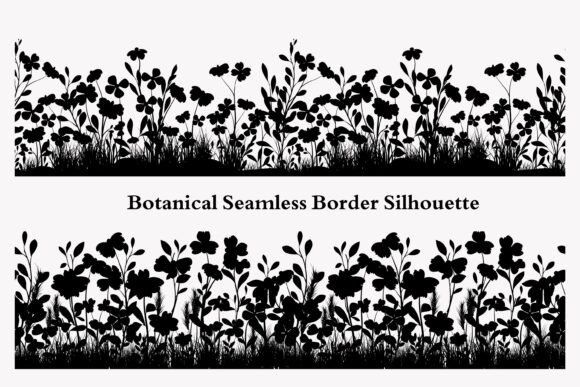
Botanical Border Black Silhouette
A Designer’s First Look: Clean, Quiet, and Ready for Real Stitching
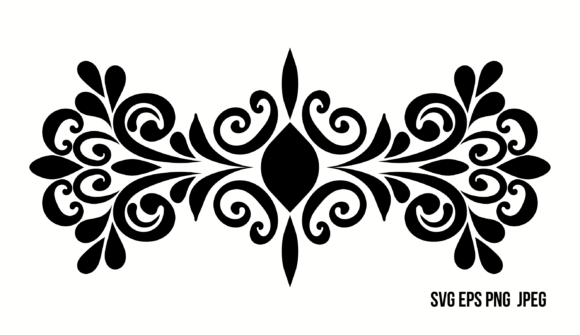
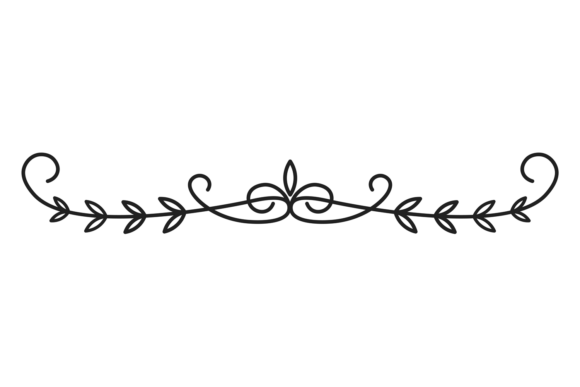
When I opened the Botanical Border Black Silhouette file, my first thought wasn’t “pretty” — it was “practical.” This isn’t a fussy floral explosion. It’s a seamless, hand-drawn-style border built from wildflowers, stems, and delicate leaves — all in clean black silhouette. There’s no color noise, no gradients, no drop shadows. Just confident, flowing outlines with gentle variation in line weight. It feels like something you’d sketch in a notebook before turning it into an embroidered edge on a linen tea towel or a baby onesie hem.
Where It Shines: Real Projects That Feel Thoughtful, Not Trendy
I recently used Botanical Border Black Silhouette to frame a monogram on a custom organic cotton tote bag for a local herbalist’s shop. The result? Instant cohesion. The border didn’t compete — it grounded the design. That’s its strength: quiet authority. It works beautifully on:
- Sweatshirt hems and sleeve cuffs — especially on heather grey or oatmeal fabric, where the black silhouette reads clearly without harsh contrast;
- Pillow covers and nursery decor — the organic flow feels soft and intentional, not clip-art-y;
- Embroidered patches — when digitized well, the clean edges hold up through washing and wear;
- Aprons and kitchen towels — it adds craft authenticity without overwhelming function;
- Personalized baby gifts — think along the bottom edge of a swaddle blanket or the cuff of a knit hat.
As an Illustrations asset, it bridges print and stitch seamlessly. I’ve used the same vector-ready file for both a printable holiday card mockup and the actual embroidery file — saving time without sacrificing quality.
Where to Pause Before Pressing “Start”
This isn’t a one-size-fits-all border. Its charm lies in its simplicity — but that simplicity demands thoughtful execution. Here’s where attention matters:
- Hoop size & placement: Because it’s seamless, it scales well — but don’t try to squeeze the full repeat into a 4×4 hoop unless you’re using just one quarter of the pattern. For small items like caps or baby caps, use a cropped segment — not the full loop.
- Fabric texture: On heavily textured fabrics (like bouclé or thick terry), fine stem details may blur. Test on scrap first — especially if using fill stitch instead of satin or running stitch for definition.
- Dark or stretchy fabric: Black-on-black won’t read. You’ll need white or cream thread for visibility — and extra stabilizer to prevent puckering on knits. Always check how your chosen thread color interacts with the base fabric in natural light.
- Wash durability: As a Graphics-based design, its success hinges on digitization. If stitching is too dense in tight corners (like where stems curl inward), wash cycles may cause fraying over time. Look for balanced stitch density — not maximum coverage.
What It Adds to Your Finished Product — Beyond Aesthetics
Using Botanical Border Black Silhouette does more than decorate — it signals care. Customers notice when a border feels intentional, not pasted-on. On Etsy listings, it elevates perceived value: a plain pillow becomes a curated piece; a basic sweatshirt gains boutique energy. For craft businesses, it supports brand consistency — imagine using the same border across product tags, packaging inserts, and embroidered labels.
It also builds trust. Handmade buyers want authenticity, not mass-produced vibes. This design reads as hand-crafted even before stitching begins — especially when paired with natural fibers and subtle thread choices. And because it’s versatile across categories (tote bags, baby items, holiday gifts), it reduces your need to source new borders for every product line.
Practical Notes Every Embroidery Designer Should Check
Before committing to Botanical Border Black Silhouette in your next project, do these five things:
- Test on scrap fabric — same type, same color, same stabilizer you’ll use in production;
- Review stitch density — zoom in on tight curves and overlapping stems. Are stitches layered cleanly, or will they pile up and distort?
- Confirm commercial license terms — since this is marketed for handmade products and small shop merchandise, double-check whether resale of finished items is permitted (most Graphics files allow it, but always verify);
- Try black-and-white mockups — especially for digital previews. Does the border retain clarity at thumbnail size on an Etsy listing or Instagram post?
- Compare light vs. dark backgrounds — not just fabric, but packaging and display contexts. Will it pop on kraft paper tags? Blend softly on ivory linen?
Final Thought: A Border That Earns Its Place
Botanical Border Black Silhouette doesn’t shout. It settles in — gracefully, reliably, professionally. It’s the kind of design that makes your embroidery project feel considered, not rushed. Whether you’re prepping for a craft fair, building an Etsy shop, or fulfilling a custom request for embroidered nursery decor, this border earns its place by doing what great design should: supporting the product, honoring the craft, and respecting the person who’ll hold it in their hands.