Butterfly Silhouette Illustration Art: Graphics & Illustrations for Nature-Forward Brands
As a graphic designer who’s built brand identities for handmade apothecaries, botanical print shops, and seasonal wellness startups over the past 12 years, I recently evaluated Butterfly Silhouette Illustration Art for a real client project: a limited-edition spring launch for an organic tea line targeting mindful consumers. My goal wasn’t just to find “a butterfly”—it was to source a graphic design asset that could anchor packaging, social media graphics, and printable gift tags without feeling generic or overused.
A First Impression That Feels Intentional, Not Decorative
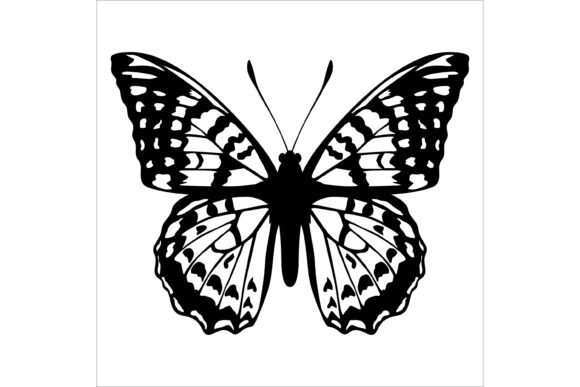
The moment I opened the file, what stood out wasn’t just symmetry—it was intentional rhythm. This elegant butterfly silhouette vector illustration showcases delicate wing veining, balanced negative space, and subtle curvature that reads as both scientific and poetic. It avoids cartoonish exaggeration or rigid geometry, landing instead in a refined middle ground: modern enough for a boutique web design, warm enough for a handmade business’s story-driven aesthetic. For clients seeking emotional resonance—think calm, transformation, lightness, or natural elegance—this isn’t clipart. It’s a creative design element with quiet authority.
Where It Shines in Real Client Work
In practice, Butterfly Silhouette Illustration Art excels where visual mood matters more than literal meaning:
- Packaging design: Used at 30% scale on kraft tea box labels, it adds organic texture without competing with typography—especially when paired with a clean sans serif font.
- Printable design: As part of a set of seasonal wall art for an Etsy shop, its vector scalability ensured crisp 12×16” prints and sharp 2×3” digital stickers.
- Social media graphics: On Instagram posts and Pinterest pins, it functions beautifully as a hero graphic against soft gradients or muted linen textures—enhancing engagement without distracting from product shots.
- Cricut project and sublimation design: The clean SVG paths cut precisely on vinyl and transfer cleanly onto mugs and tote bags, making it ideal for small-batch merchandise.
- Brand identity support: Though not suitable as a primary logo, it works powerfully as a secondary mark—reinforcing nature themes across email headers, website dividers, and editorial design layouts.
Natural Fit for These Creative Markets
This asset feels native in spaces where authenticity and tactile warmth drive perception: print-on-demand collections, Etsy product listings, Canva template kits for wellness coaches, and digital product bundles for crafters. Its versatility extends to sticker design, t-shirt design, and product mockup overlays—especially when the brand voice leans into renewal, femininity, or gentle sophistication.
Use With Care: Design Contexts That Challenge Its Strengths
Not every project benefits equally. Because of its detailed linework and organic flow, Butterfly Silhouette Illustration Art can lose clarity in:
- Small sizes under 16px height—wing details blur, reducing recognizability.
- Crowded layouts, especially alongside dense text blocks or multiple icons—its visual weight competes rather than complements.
- Low-contrast backgrounds, like light gray on off-white—test transparency rigorously if using the PNG version.
- Minimalist branding systems built around ultra-thin lines or strict geometric grids—it introduces lyrical softness that may disrupt cohesion.
- Corporate or technical B2B materials where trust is signaled through precision, not metaphor.
What It Does for Your Design’s Emotional and Professional Impact
When placed thoughtfully, this illustration elevates visual hierarchy by guiding the eye with organic movement—not rigid alignment. It boosts emotional appeal without sentimentality, lending credibility to small business branding that wants to feel artisanal but not amateur. In marketing visuals, it increases audience engagement by triggering subconscious associations with growth and lightness—valuable for wellness, beauty, and eco-conscious audiences. Crucially, it supports brand consistency across touchpoints when used as a recurring motif, not a one-off decoration.
Designer Notes You Can’t Skip Before Client Use
Before dropping this into a live project, run these checks:
- Test in black and white—does the silhouette hold shape and contrast on both light and dark backgrounds?
- Preview at actual usage sizes: zoom to 100% in your layout tool, then step back—does it read clearly from arm’s length?
- Place on real mockups: drop it onto a product mockup (e.g., a ceramic mug or kraft label) to assess proportion and tone.
- Verify file formats: confirm SVG editability for resizing, check PNG transparency edges, and ensure no rasterized artifacts in EPS or PDF exports.
- Font pairing test: try it beside serif, sans serif, script, and display fonts—notice how each changes perceived formality and energy.
- Confirm commercial license: verify it permits use in client deliverables, print-on-demand, and resale items—don’t assume “personal use only” covers your commercial design scope.
A Thoughtful Addition to Any Designer’s Toolkit
Butterfly Silhouette Illustration Art won’t solve every brief—but for projects rooted in nature, renewal, or quiet beauty, it’s a rare find: a design asset that balances detail with restraint, symbolism with subtlety, and flexibility with intention. It belongs in your design bundle not as filler, but as a considered accent—one that helps handmade businesses, content creators, and brand owners communicate depth without saying a word. Just remember: great illustrations don’t work harder than your concept—they make it breathe easier.