Geometric Mosaic in Traditional Korean S
A Designer’s First Glance: Clean, Calm, and Culturally Anchored
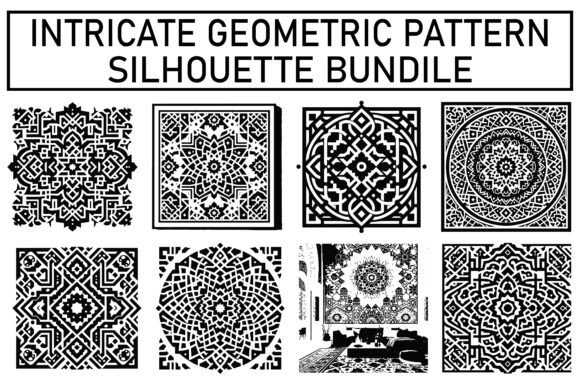
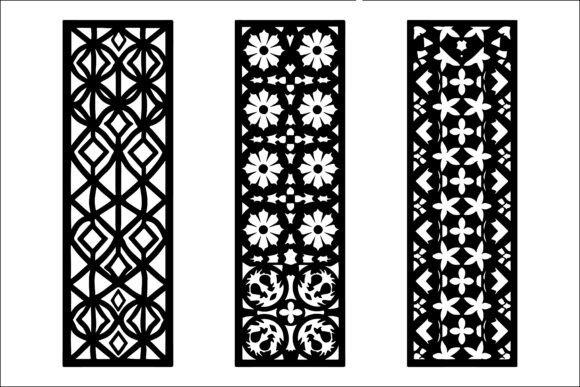
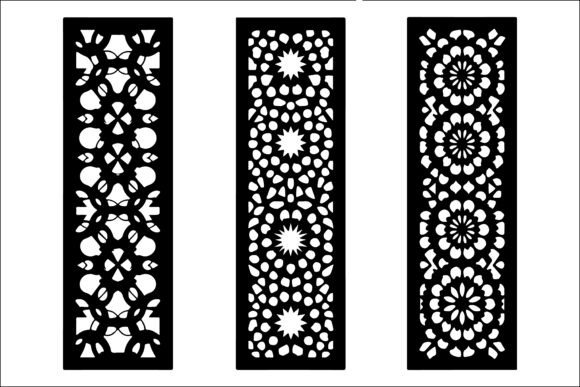
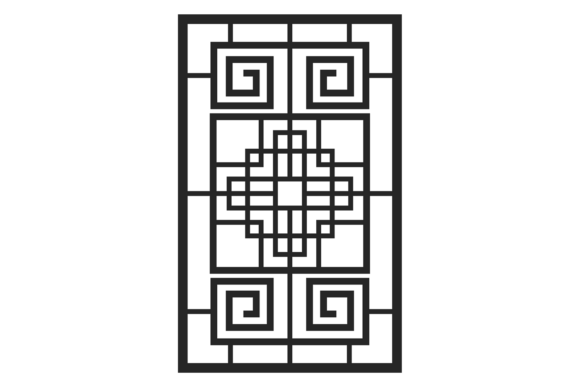
When Geometric Mosaic in Traditional Korean S loaded on my screen, I paused—not because it’s flashy, but because it *settles*. It’s not loud or trend-chasing. Instead, it offers quiet confidence: interlocking shapes rooted in Korean geometric tradition—think bokjori motifs and gakji symmetry—but distilled into something modern, scalable, and deeply stitchable. The isolation on white (with transparent PNG option) tells me this wasn’t designed for web banners alone—it was built to translate cleanly into real-world embroidery. As a designer who’s stitched hundreds of client projects, that first impression matters more than you’d think: if the digital file feels intentional, the finished product usually does too.
Where This Design Truly Shines: Real Projects, Real Customers
Last week, I used Geometric Mosaic in Traditional Korean S to develop a limited-run embroidered tote for a local Seoul-inspired café pop-up. We chose natural canvas, medium-weight, with black thread for contrast. The result? Crisp, balanced, and instantly recognizable—not as “generic geometry,” but as something with heritage and warmth. That’s its strength: it adds quiet sophistication without demanding attention. It works beautifully on:
- Sweatshirt embroidery — centered on the chest or back, where its rhythm complements relaxed silhouettes
- Embroidered patch — cut, fused, and stitched onto denim jackets or aprons for small-batch boutique branding
- Baby embroidery — scaled down on organic cotton onesies or muslin blankets, where soft geometry reads as gentle and intentional
- Kitchen towel & tea towel design — placed near the hem or corner, adding subtle cultural texture without clutter
- Personalized gift — paired with a monogram or date in minimalist sans-serif, ideal for weddings or housewarmings
For Etsy sellers and craft fair vendors, this isn’t just another Illustrations download—it’s a versatile Graphics asset that supports storytelling. Customers don’t buy “a pattern.” They buy “a piece of Korea’s quiet elegance, made by hand.” And Geometric Mosaic in Traditional Korean S delivers that narrative without over-explaining.
What to Watch For: Practical Embroidery Boundaries
That said—this isn’t a one-size-fits-all machine embroidery design. Its charm lies in balance, so pushing it too far risks losing clarity. Here’s where I recommend caution:
- Hoop size & detail density: The mosaic relies on clean edges between shapes. Below 3” wide, fine internal lines may blur under fill stitch—test at your smallest intended hoop size before committing to production.
- Fabric texture: On heavy tweed or looped terry cloth, some smaller facets can get visually swallowed. Stick to medium-weave cotton, linen blends, or stable knits for best definition.
- Dark fabric backgrounds: Since the original file is isolated on white, confirm your embroidery software renders all elements correctly when digitizing for black or navy. Some inner negative space may need manual cleanup for optimal satin stitch flow.
- Curved surfaces: Avoid placing the full motif across the crown of a cap—it distorts symmetry. Instead, use a single repeating unit as a side accent or visor trim.
- Wash durability: Dense fill areas hold up well, but tightly nested corners (especially where three+ shapes meet) benefit from light underlay and quality stabilizer—don’t skip it on baby items or kitchen linens.
How It Elevates Your Finished Product—Beyond Aesthetics
As a craft business owner, I judge designs not just by how they look, but how they make customers *feel* about the handmade product in their hands. Geometric Mosaic in Traditional Korean S quietly boosts perceived value. Why? Because it reads as considered—not algorithmically generated, not trend-jumped, but culturally grounded. That translates to:
- Stronger brand consistency for shops leaning into mindful, heritage-inspired aesthetics
- Higher giftability—people proudly display pieces with meaning, not just decoration
- Improved buyer engagement on Etsy or Instagram, especially when paired with short context (“Inspired by Korean tilework traditions”)
- Professional presentation, even for hobbyists—its clean layout makes mockups look polished fast
It also avoids common pitfalls: no tiny lettering to fail at 2x scale, no fragile tendrils that snag in stitching, no reliance on gradients that vanish in thread. What you see in the SVG or EPS is what you’ll get in satin and fill stitch—predictable, reliable, and respectful of the craft.
Designer Notes You’ll Actually Use
Before stitching your first Geometric Mosaic in Traditional Korean S project:
- Always test on scrap fabric—same weight, same color, same stabilizer as your final piece
- Check thread color contrast early; this design thrives on tonal subtlety, but low-contrast combos (e.g., heather gray thread on charcoal fabric) can mute its structure
- Review stitch density in your embroidery software—if digitizing yourself, avoid overfilling tight angles; let negative space breathe
- Confirm licensing before selling finished items or bundling the file in digital embroidery kits—this is an Illustrations-class asset, and commercial use rights vary
- Use printable mockups to preview how it reads at different sizes—especially important for Etsy thumbnails and craft fair signage
- Compare light/dark fabric backgrounds in grayscale first—some inner divisions rely on value contrast, not hue
This isn’t just a decorative pattern. It’s a thoughtful design asset—one that respects both tradition and technique. Whether you’re stitching a single personalized gift or building a cohesive line of Korean-inspired handmade product, Geometric Mosaic in Traditional Korean S earns its place in your working library. Not because it’s trendy—but because it’s true.