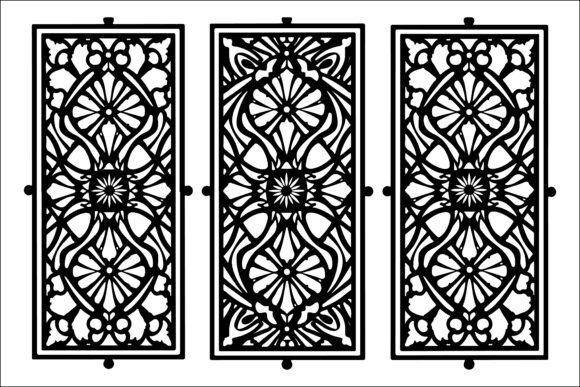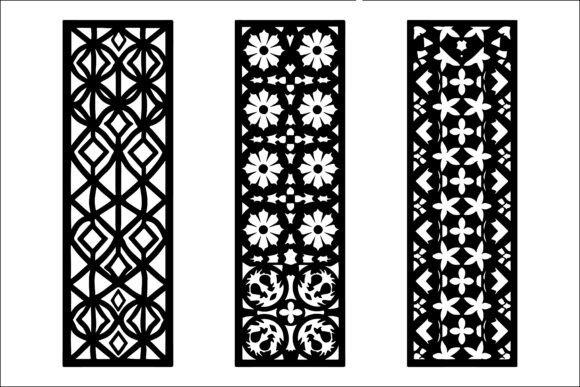
Intricate Laser-Cut Geometric Panel
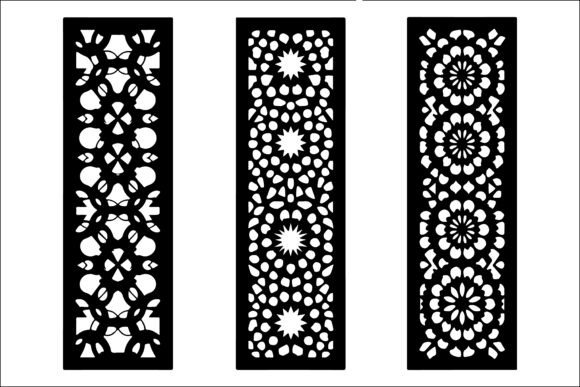
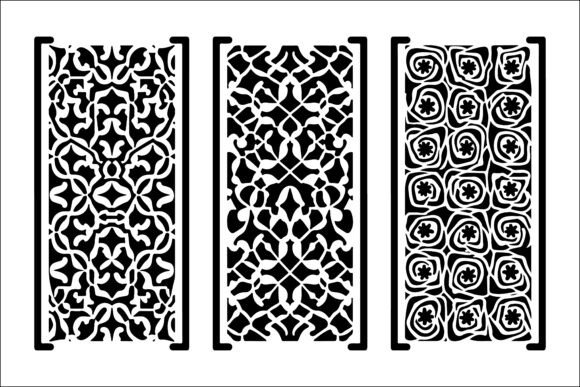
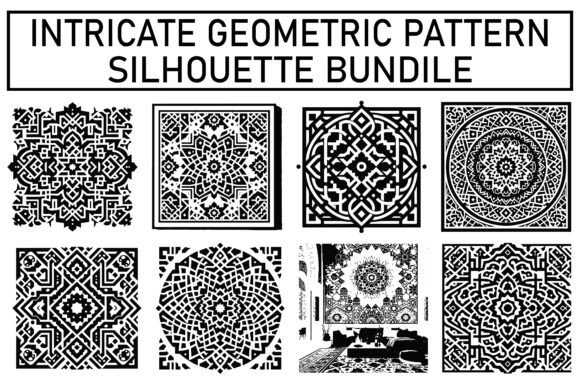
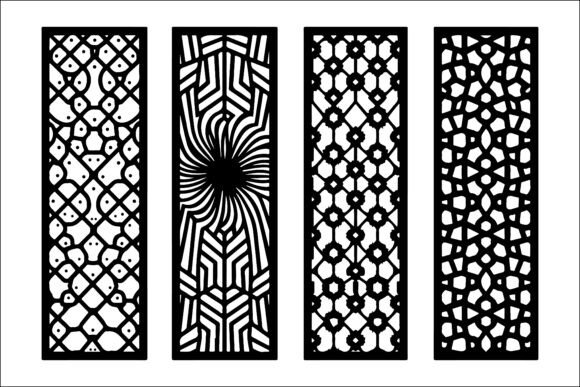
As someone who’s stitched hundreds of custom projects—from boutique baby onesies to limited-run embroidered aprons for local cafés—I opened Intricate Laser-Cut Geometric Panel expecting elegance, but what stood out immediately was its quiet confidence. It doesn’t shout. It breathes structure and rhythm: interlocking polygons, subtle floral echoes within angular frameworks, and negative space that feels intentional, not empty. This isn’t just a decorative panel—it’s a design with architectural awareness, built for translation into thread.
I tested it first on a linen-cotton tea towel destined for a small-batch holiday pop-up. The moment I laid the hoop, I noticed how naturally the geometry aligned with fabric grain—no awkward skewing or forced scaling. That matters when you’re stitching 30+ units for a shop launch and can’t afford re-hooping delays. The balance between open areas and denser zones means stitch density stays manageable without sacrificing definition. No runaway fill stitches. No “blobbing” in tight corners. Just clean transitions between satin-stitched borders and airy interior voids.
For embroidery designers, this is where Intricate Laser-Cut Geometric Panel earns its keep: it behaves. On medium-weight sweatshirt fleece? Yes—especially with tear-away + light cutaway stabilizer underneath. On delicate rayon challis for a custom blouse? Only if you reduce density by 12–15% and use a fine needle (75/11). On dark denim for a patch-based tote bag design? Absolutely—just make sure your thread colors have enough contrast. I ran a quick black-and-white mockup before stitching, and the silhouette held up beautifully even without color cues. That’s a strong sign it’ll translate well across digital previews, printable mockups, and actual finished product photos.
Where It Shines—and Where to Pause
This design thrives in contexts where craftsmanship and intentionality are part of the story. Think:
- Embroidered patches for craft fairs—its crisp edges and balanced weight make it stand out on denim jackets or woven backpacks.
- Sweatshirt embroidery centered above the pocket or subtly curved along the sleeve seam—geometry reads clearly even at 3.5" wide.
- Baby embroidery on organic cotton burp cloths or muslin swaddle blankets—its non-representational nature avoids cliché while still feeling warm and considered.
- Holiday embroidery on velvet pillow covers or wool-blend stockings—layer it under a single metallic thread accent for quiet luxury.
- Etsy seller assets—as both a standalone machine embroidery design and as a refined element in layered applique designs.
But let’s be real: no design is universal. Use Intricate Laser-Cut Geometric Panel with care on:
- Small hoop sizes (<4" diameter)—some inner flourishes shrink below legibility unless simplified manually.
- Highly textured fabrics like bouclé or heavy terry cloth—the fine lines may blur unless stitch density is adjusted and stabilizer is upgraded.
- Stretchy knits (think lightweight jersey tees)—hoop tightly, use adhesive stabilizer, and avoid placing near side seams or curved hems where distortion pulls detail.
- Curved surfaces like structured caps—test on scrap first; the outer perimeter holds well, but inner angles may need slight smoothing for smooth wraparound flow.
- Frequent-wash items like kitchen towels or kids’ bibs—confirm thread tension and stabilizer hold-up in your own wash test. Dense satin borders anchor well; lighter interior fills benefit from slightly tighter top tension.
What It Adds to Your Handmade Product
Customers don’t buy “geometric art.” They buy meaning, texture, and perceived value. When Intricate Laser-Cut Geometric Panel appears on a handmade apron sold in a local gift shop, it tells a story: *this was chosen, not slapped on*. Its precision elevates the perception of the entire finished product—even before the buyer touches the fabric. That translates directly to higher perceived value, better Etsy conversion rates, and stronger brand consistency across your craft business.
I’ve watched buyers pause longer over items featuring this kind of intelligent design—not because it’s flashy, but because it invites closer looking. There’s a quiet sophistication in how the negative space functions as part of the motif, not just background. That nuance builds trust: it signals you pay attention to detail, which makes customers more likely to return for personalized gifts or custom apparel.
Practical Notes Before You Stitch
Before committing to production—or listing a new embroidered tote bag design on your shop—do these five things:
- Test on scrap fabric that matches your final substrate, using your exact stabilizer combo and thread brands.
- Review stitch density in your embroidery software—look for any clusters thinner than 0.8mm or overlapping satin runs that could cause puckering.
- Confirm hoop size compatibility, especially if you’re working with older machines or multi-needle commercial setups.
- Inspect small details at 200% zoom—check whether inner corners will stitch cleanly or need manual cleanup.
- Verify licensing—since Intricate Laser-Cut Geometric Panel falls under Illustrations and Graphics, confirm whether your intended use (e.g., selling embroidered patches or reselling digital embroidery files) aligns with the terms. When in doubt, reach out to the creator.
Also worth noting: the inclusion of PNG, EPS, SVG, and JPG formats gives serious flexibility—not just for embroidery digitizing, but for creating cohesive branding assets. I used the SVG version to build a matching label design for my client’s nursery decor line, then pulled the PNG into a printable mockup for their Instagram shop preview. That cross-format utility is rare and valuable for creative entrepreneurs juggling multiple output needs.
In short, Intricate Laser-Cut Geometric Panel isn’t just another download. It’s a thoughtful, adaptable, and quietly versatile design asset—one that supports your process instead of complicating it. Whether you’re prepping for a holiday craft fair, building a signature embroidered product line, or sourcing design assets for your digital embroidery file shop, this panel earns its place in your working library. Just remember: respect the geometry, honor the fabric, and always stitch the test first.